Dual Perspectives of Yoga: East vs. West
Yoga has become a global practice. What are some differences between Eastern and Western yoga?
2/14/20262 分読む

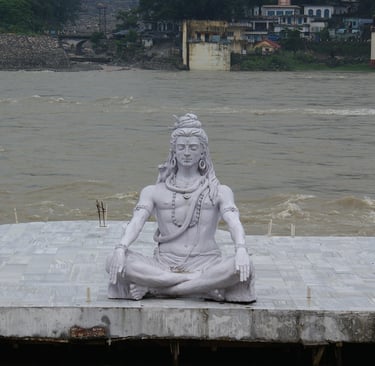
Yoga’s Cultural Journey
Yoga has evolved over centuries, transcending its origins to become a global phenomenon. In the Western world, it is frequently perceived as a physical practice aimed at enhancing fitness and well-being. This often consists of mastering increasingly difficult poses or memorizing complex sequences. In the Eastern traditions, particularly within Hindu and Buddhist philosophies, yoga embodies a spiritual practice designed to unite the individual with cosmic consciousness. This fundamental difference in perspectives shapes the way yoga is practiced and understood across cultures.
Practice of the West
In contemporary Western societies, yoga has been widely adopted as a form of physical exercise. Studios and gyms promote various styles such as Hatha, Vinyasa, and Power Yoga, each focusing on strength, flexibility, and balance. Many individuals embark on their yoga journey to improve physical fitness, reduce stress, lose weight, and experience relaxation. This trend is often accompanied by the belief that the practice is primarily about achieving proficiency in poses and gaining physical benefits.
As students immerse themselves in the postures, they frequently find additional benefits, such as enhanced mental clarity and emotional resilience. However, the emphasis remains largely centered around the physical aspects, often overshadowing the holistic nature of the practice as envisioned in its original context.
Practice of the East
In contrast, yoga in Eastern cultures represents a comprehensive system for personal development. It combines physical postures, mental discipline, and spiritual insight. The practice aims at self-realization and the attainment of inner peace, guiding individuals to explore and connect with cosmic consciousness. Poses are considered important but secondary; a way to maintain the body as one seeks spiritual liberation.
In many Eastern traditions, the philosophy of yoga is deeply intertwined with spiritual texts such as the Bhagavad Gita and the Yoga Sutras of Patanjali. These teachings illustrate the path of yoga as one of ethical conduct, personal development, and meditation, leading to the realization of one's unity with the universe. This perspective on yoga promotes a profound understanding of self and a way to transcend the physical realm, illustrating a pivotal shift from mere exercise to spiritual awakening.
Merging the Two
Despite the differences in the perception of yoga, there is a growing movement aimed at bridging these two worlds. Many Western practitioners are beginning to explore the deeper philosophical and spiritual aspects of yoga, going beyond the physical postures. This integration fosters a more comprehensive practice, incorporating mindfulness, meditation, and ethical living.
Ultimately, whether viewed through the lens of physical fitness or spiritual awakening, yoga holds the potential for profound transformation. By understanding and embracing both perspectives, practitioners can cultivate a more enriching experience that transcends physical boundaries and taps into the deeper essence of what yoga represents.